Tools should serve your process, not define it

    Agentic apps built around how your team actually works.

    Designed with you. Built, hosted and run by Track, on the tools you already use. A working app in days. In production within four weeks.

    See what we build →
    Customer healthAt risk
    Acme Corp · renews in 64 days58/100
    Weekly active users down 22%Usage
    Champion left the companyCRM
    Frustrated tone in shared channelSlack
    New team piloting a second workspaceUsage

    Suggested intervention

    Meet the new VP this week. Lead with the second workspace as an expansion path.

    Illustrative app · built to your process

    Built on the stack you already have

    Salesforce·Slack·Linear·Databricks·Google Drive·HubSpot·Jira·Mixpanel·Notion·Customer.io·Gmail·ClickUp·

    The problem

    Somewhere between your CRM, Slack and a spreadsheet, someone is doing the job your software should.

    Working out which customers are about to churn, today:

    DatabricksProduct usage
    export by hand
    SalesforceRenewals and contacts
    cross-check accounts
    SlackCustomer channels
    skim threads for tone
    Support deskOpen tickets
    tally, score, guess
    SpreadsheetHealth score
    Human glue: work a person does because the tools don't talk

    Copying

    The same account data pulled from four systems into one spreadsheet, by hand.

    Guessing

    Health scores updated once a month, weighted by whoever filled them in.

    Too late

    Churn risk spotted at renewal, when it's hardest to change the outcome.

    How we got here

    For 15 years, we let the tools write the process.

    01

    We bought a tool for every problem.

    CRM for sales, a ticketing tool for engineering, a spreadsheet for everything else.

    02

    Each tool brought its vendor's idea of how we should work.

    Teams bent their process to fit the templates, because the templates couldn't bend.

    03

    The gaps between them were left to people.

    Your best operators became the integration layer.

    Track flips it around. Process first. Then software built to fit it, alongside the tools that already work.

    Read why we started Track →

    Your three options

    AI has made it easier than ever to build internal tools. Deciding what gets built, and who maintains it, is the hard part.

    Off-the-shelf tools are right for standard work. Building it yourself is right for a quick experiment. For the workflows your company actually runs on, you need something else.

    Track

    Fits your process

    Designed with your team first

    Works across tools

    Built on your existing stack

    Who runs it

    Track hosts, monitors and maintains it

    Security and access

    SSO, access controls, audit logs

    Engineering time

    None

    Time to value

    A working app in days, in production within four weeks
    Buy another tool

    Fits your process

    You adapt to the vendor's template

    Works across tools

    Adds one more silo

    Who runs it

    The vendor, on their roadmap

    Security and access

    Another vendor review

    Engineering time

    Integration projects

    Time to value

    Months of rollout

    Build it yourself

    Fits your process

    If you already know what to build

    Works across tools

    Brittle scripts and one-off connectors

    Who runs it

    Whoever built it, until they move on

    Security and access

    Often never reviewed

    Engineering time

    Pulled off the product roadmap

    Time to value

    Days to a demo, months to trust it

    The Track approach

    Consultancy-grade design, delivered as working software.

    Two things that rarely live under one roof: people who have run operations at scale, and a platform that turns their design into production apps.

    01 · Operators

    We design the process first.

    We've run operations and engineering at Google, Stripe, Twitter, Facebook and Tines, and advised dozens of companies since, from fast-scaling global businesses to early startups. We sit with your team, map how the work really runs, and design how it should run.

    +

    02 · Platform

    Then we build software to fit it.

    The Track harness builds, hosts and maintains custom agentic apps on top of your existing tools, using your data and context from day one.

    How it works

    Live software, not a slide deck.

    The 4-week pilot. One workflow. Fixed scope, fixed fee. A working app in days, in production by week four.

    How the pilot works →

    For IT and engineering

    Built on your stack. Run by us. Approved by IT.

    Security and trust →

    Nothing replaced

    Apps run on the tools you already have. Keep what works.

    No model lock-in

    The harness picks the right model for each task and can switch as models improve.

    Your data, your controls

    SSO, role-based access and audit logs by default.

    Zero engineering load

    Hosting, monitoring and updates are on us, not your product team.

    The team

    We've been the human glue. Now we build the fix.

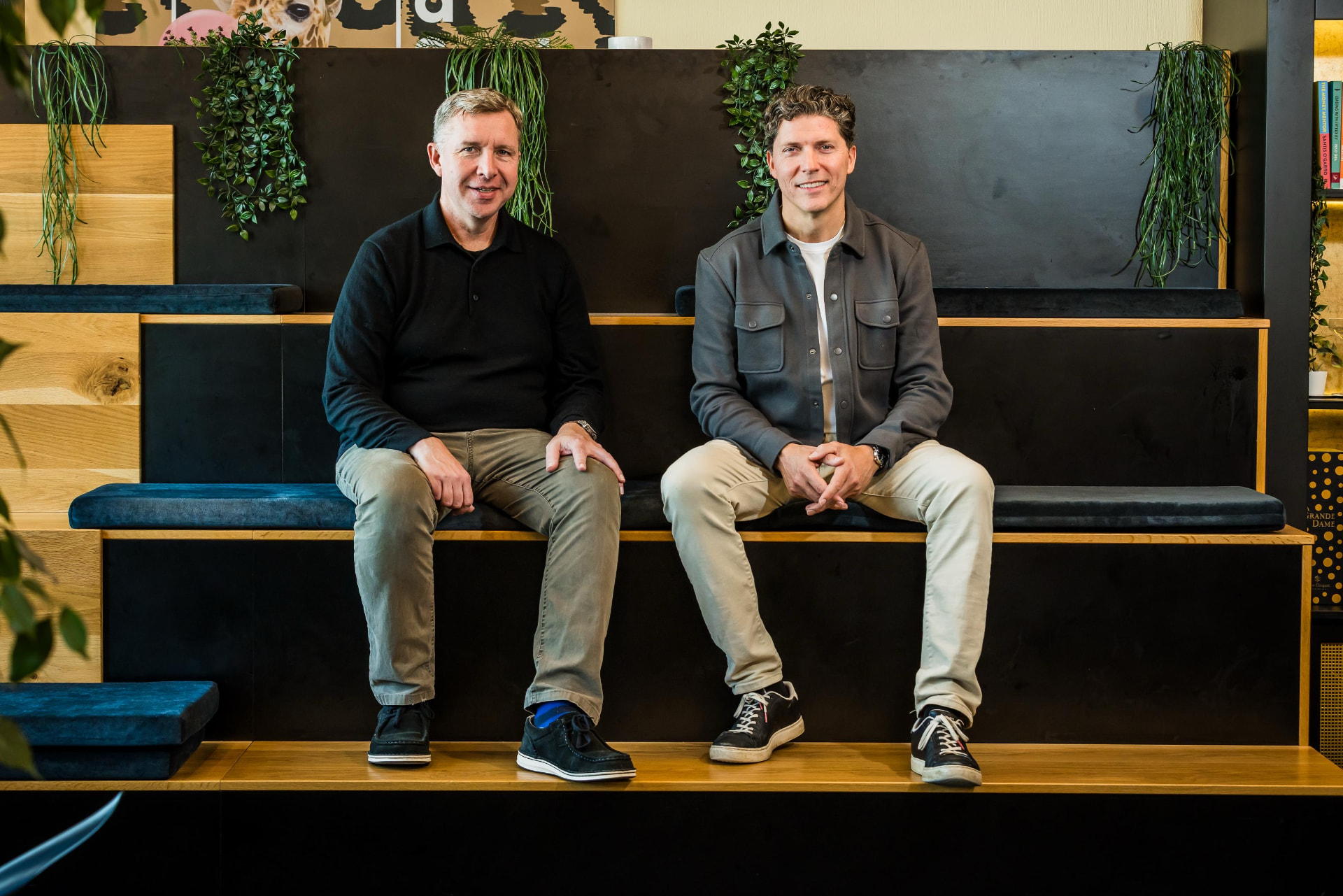
    Colm and Don, co-founders of Track

    Colm Long and Don O'Leary, co-founders

    Colm ran operations teams at Google, Facebook and Tines. Don ran engineering and operations teams at Google, Twitter and Stripe.

    We played a part in building Google, Facebook, Twitter, Stripe and Tines. Now we bring that experience to yours.

    Your best people are doing the work your software should be doing.

    Track builds that software, designed around how your team actually works, running on the tools you already have. A working app in days, in production within four weeks. The longer that workflow runs by hand, the more it costs you.